Weight loss
Why previous diets failed and why injections work differently
Your body fights back after weight loss. That is biology, not weakness. Here is how injections change the equation.

If you have lost weight before and put it back on, you probably blame yourself. The truth is simpler and less kind: your body was working against you.
Most diets fail not because you lack willpower, but because hormones drive hunger harder after weight loss. Understanding why that happens, and how GLP-1 medicines like Mounjaro and Wegovy change the equation, explains why a previous failed attempt does not mean the next one will fail too.
How your body fights weight loss
When you lose weight through diet alone, your body detects the drop in energy stores and triggers a cascade of hormonal changes designed to get you back to your starting weight. Ghrelin, the hunger hormone, rises. Leptin, which signals fullness, falls. Peptide YY, which normally suppresses appetite, decreases. Your metabolism slows slightly. Your brain becomes more sensitive to food cues. You feel hungrier, you feel less satisfied when you eat, and you think about food more often.
This is not a character flaw. It is a survival mechanism that evolved when food was scarce. Your body cannot tell the difference between a chosen diet and a famine, so it treats weight loss as an emergency and fights to reverse it.
Most people can override these signals for weeks or months through sheer discipline. But hormones are stronger than willpower over years. The longer you stay at a lower weight through diet alone, the harder your body pushes back. This is why weight regain is so common, and why it happens even to people who were disciplined enough to lose the weight in the first place.
Why GLP-1 medicines work differently
GLP-1 is a hormone your gut naturally produces when you eat. It tells your brain you are full, slows how fast your stomach empties, and reduces hunger. Medicines like Mounjaro and Wegovy are synthetic versions that work on the same receptors.
The key difference is that they change appetite at the source, not through willpower. You are not fighting your hunger signals; you are changing the signals themselves.
When you take a GLP-1 injection, ghrelin (hunger) falls and satiety signals strengthen. You feel genuinely less hungry. Food that normally triggers cravings becomes less appealing. You feel full sooner and stay full longer. Importantly, your body does not interpret this as starvation, so it does not trigger the same compensatory hormonal response that makes diets so hard to sustain.
This is why people on these medicines often say they forget to eat, or that they have to remind themselves to eat enough. That is not suppression of appetite through willpower; it is a genuine reduction in hunger drive.
Why your previous attempts do not predict this one
If you have tried multiple diets and regained the weight each time, that tells you something important: your body's hormonal response to weight loss is strong. It does not tell you that you will fail again.
The difference is the tool. A diet asks your hormones to stay quiet while you override them. A GLP-1 medicine changes what your hormones are doing in the first place. These are not the same problem, so the fact that willpower alone did not work does not mean hormonal support will not.
That said, these medicines work best alongside changes to eating and activity. They make those changes easier by reducing hunger and cravings, but they do not work without them. If your previous attempts failed because you could not stick to the changes, the medicine addresses the reason you could not stick to them. If they failed because the changes themselves were unsustainable, you will need to think differently about what sustainable looks like for you.
What happens at the appointment
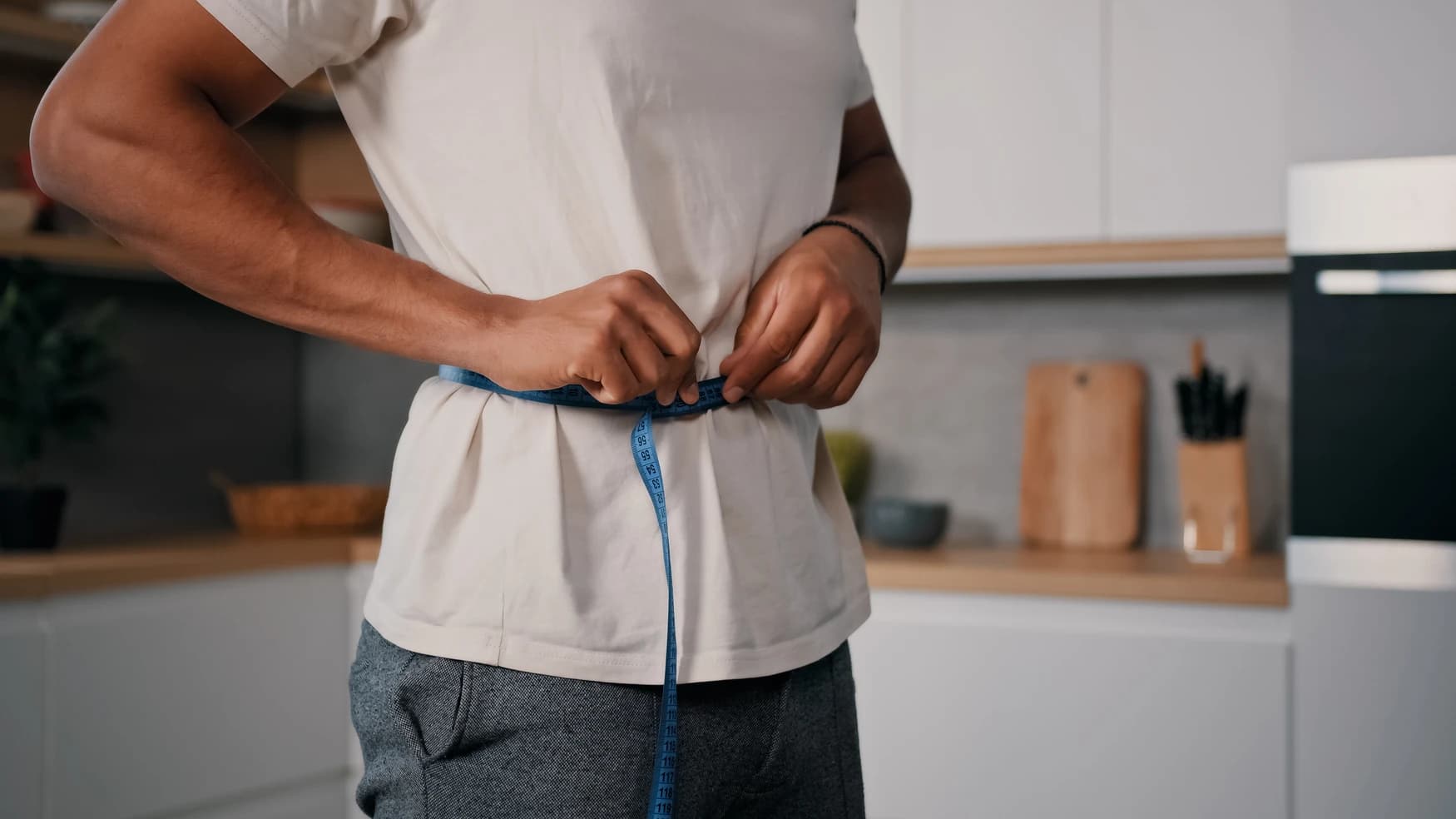
The pharmacist will ask about your weight history, what you have already tried, what happened each time, and what you are actually trying to achieve. They will measure your height, weight, and waist, check your blood pressure, and calculate your BMI to confirm you meet the eligibility criteria. They will ask about your current medicines, any conditions you have, your eating patterns, sleep, and shift work, because all of these affect which medicine suits you best.
If a GLP-1 injection is appropriate, you will be offered either Mounjaro or Wegovy. Both work on the same principle but have slightly different dosing schedules. Mounjaro starts at 2.5mg and rises in 2.5mg steps to a maximum of 15mg. Wegovy starts at 0.25mg and rises monthly to a maximum of 2.4mg. Both are started low deliberately, to let your gut adjust.
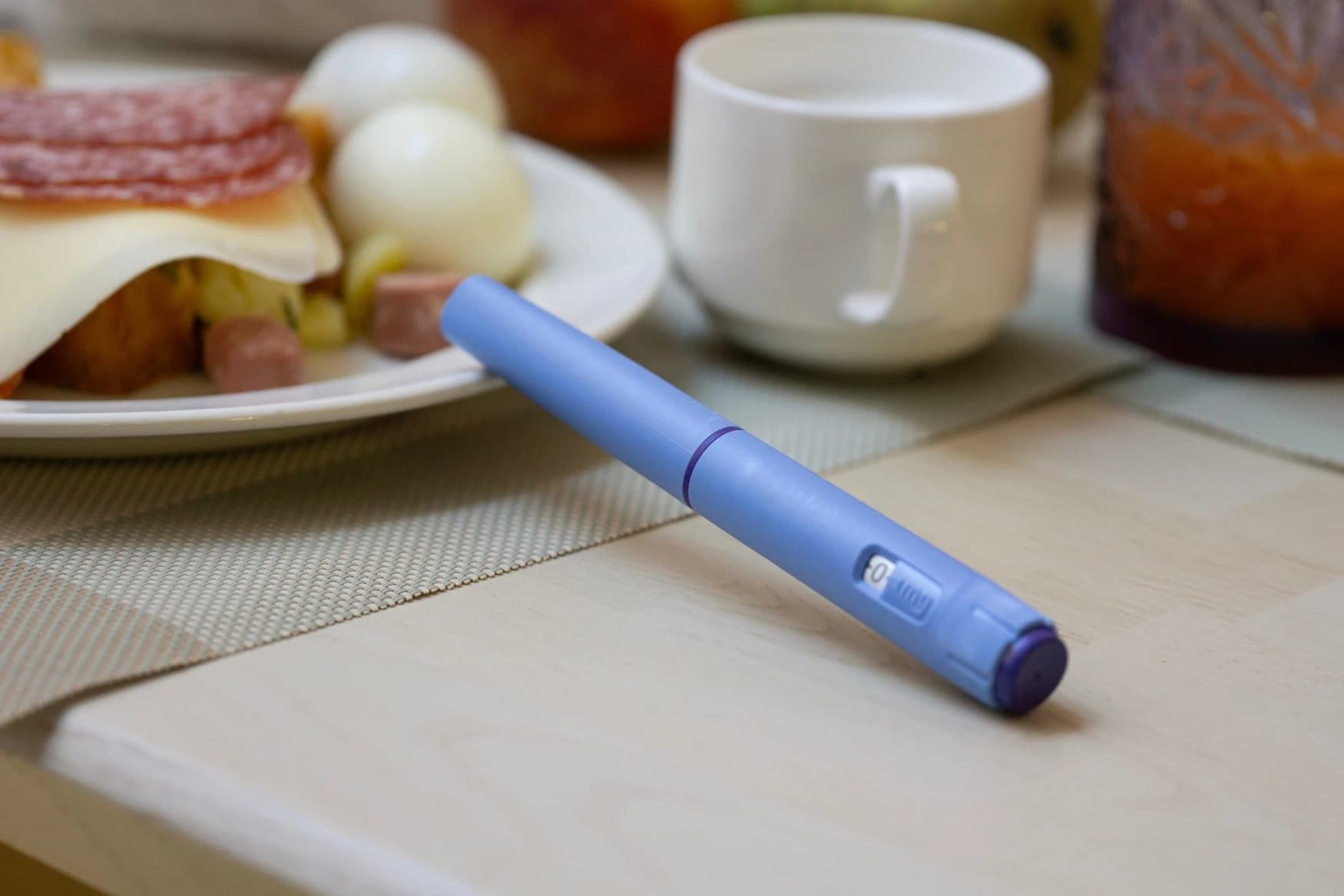
The first injection is usually given in the room so the pharmacist can show you how to do it, answer questions, and make sure you feel confident. The appointment takes roughly 20 to 30 minutes. A follow-up is booked for around four weeks later, when your weight will be checked, side effects reviewed, and a decision made about whether to hold the dose or increase it.
Side effects and what to expect
The most common side effects are nausea, constipation, diarrhoea, reflux, and tiredness. These are usually worst in the few days after a dose increase and settle after that. They are not dangerous, but they are real, and it is worth knowing what to expect.
Nausea can be managed by eating smaller meals and avoiding fatty or greasy food. Constipation usually responds to increasing water and fibre. If diarrhoea develops, the opposite approach helps. Most people find side effects are mild and temporary, but some find them more troublesome, and a few stop the medicine because of them. That is a decision you make with the pharmacist at your follow-up appointments.
These medicines are not suitable if you are pregnant, trying to conceive, or breastfeeding. They need care if you have a history of pancreatitis, gallbladder disease, severe gut problems, or eating disorders. If you take oral contraception, absorption can be affected, and additional precautions are advised around starting and each dose increase. If you take insulin or a sulfonylurea for diabetes, your diabetes treatment will need reviewing.
Weight regain after stopping
If you stop the medicine, weight regain is common if your eating and activity habits have not changed. The hormonal signals that made the weight loss hard to sustain in the first place will return. This is why these medicines are usually continued long-term, or until your habits have genuinely shifted enough that you can sustain the weight without them. Some people use them for a few months to kickstart change and build confidence, then stop. Others stay on them indefinitely. The right approach depends on what works for you.
Common questions
Will I have to inject myself?
Yes. The first injection is usually done in the pharmacy so you can see how it is done and ask questions. After that, you do it at home once a week. The needle is small and most people find it painless. If you are needle-phobic, tell the pharmacist at your appointment; they can discuss whether it is something you can manage or whether a different option might suit you better.
How quickly will I lose weight?
Weight loss varies. Most people lose a small amount in the first few weeks as appetite reduces, then lose more steadily over weeks and months. Some lose more than others. The medicine works by reducing hunger and helping you eat less; if you do not change what you eat, the effect will be smaller. It is not a magic solution, but it removes the hormonal barrier that made previous diets so hard.
What if I have tried Mounjaro or Wegovy before and it did not work?
If you tried one and it did not suit you, the other might. They work on the same principle but have different dosing schedules and some people tolerate one better than the other. If you tried one and lost some weight but not as much as you hoped, it may have been that the dose was not high enough, or that eating and activity changes were not in place. A new attempt with a different approach might work differently.
Will my weight come back if I stop?
Possibly, if your eating and activity have not changed. The medicine makes change easier by reducing hunger, but it does not rewire your habits. Some people use it as a tool to build new habits, then stop. Others find they need to stay on it. Both are valid approaches.
How much does it cost?
Wegovy starts at £129 for the starting dose and rises to £209 for the full dose. Mounjaro starts at £189 and rises to £339. The cost is per injection, and you will need one a week. The pharmacy will confirm the total cost for your treatment plan at your appointment.
Is it safe?
These medicines have been used for weight loss for several years now and have a good safety record when used in people who meet the eligibility criteria. They are not suitable for everyone, which is why the appointment includes a health check. If you have any conditions or take any medicines that might affect suitability, the pharmacist will discuss that with you.
Can I use it alongside my other medicines?
Usually yes, but some medicines need adjustment. If you take insulin or a sulfonylurea for diabetes, your diabetes treatment will need reviewing because the risk of low blood sugar changes. If you take oral contraception, absorption can be affected. Tell the pharmacist about everything you take at your appointment.
Kenmakos Medical in Bletchley offers weight loss consultations with same-day appointment availability, so you can discuss your options and start treatment on the same visit if you choose to.
Pricing
Wegovy
| Dose | Price |
|---|---|
| 0.25mg | £129 |
| 0.5mg | £139 |
| 1mg | £159 |
| 1.7mg | £189 |
| 2.4mg | £209 |
| 7.2mg | £259 |
Mounjaro
| Dose | Weeks | Price |
|---|---|---|
| 2.5mg | Weeks 1 to 4 | £189 |
| 5mg | Weeks 5 to 8 | £219 |
| 7.5mg | Weeks 9 to 12 | £259 |
| 10mg | Weeks 13 to 16 | £289 |
| 12.5mg | Weeks 17 to 20 | £319 |
| 15mg | Week 21 onwards | £339 |