Skincare
Cryotherapy for Skin Tags: What to expect
How skin tag freezing works, how long it takes and what healing looks like.
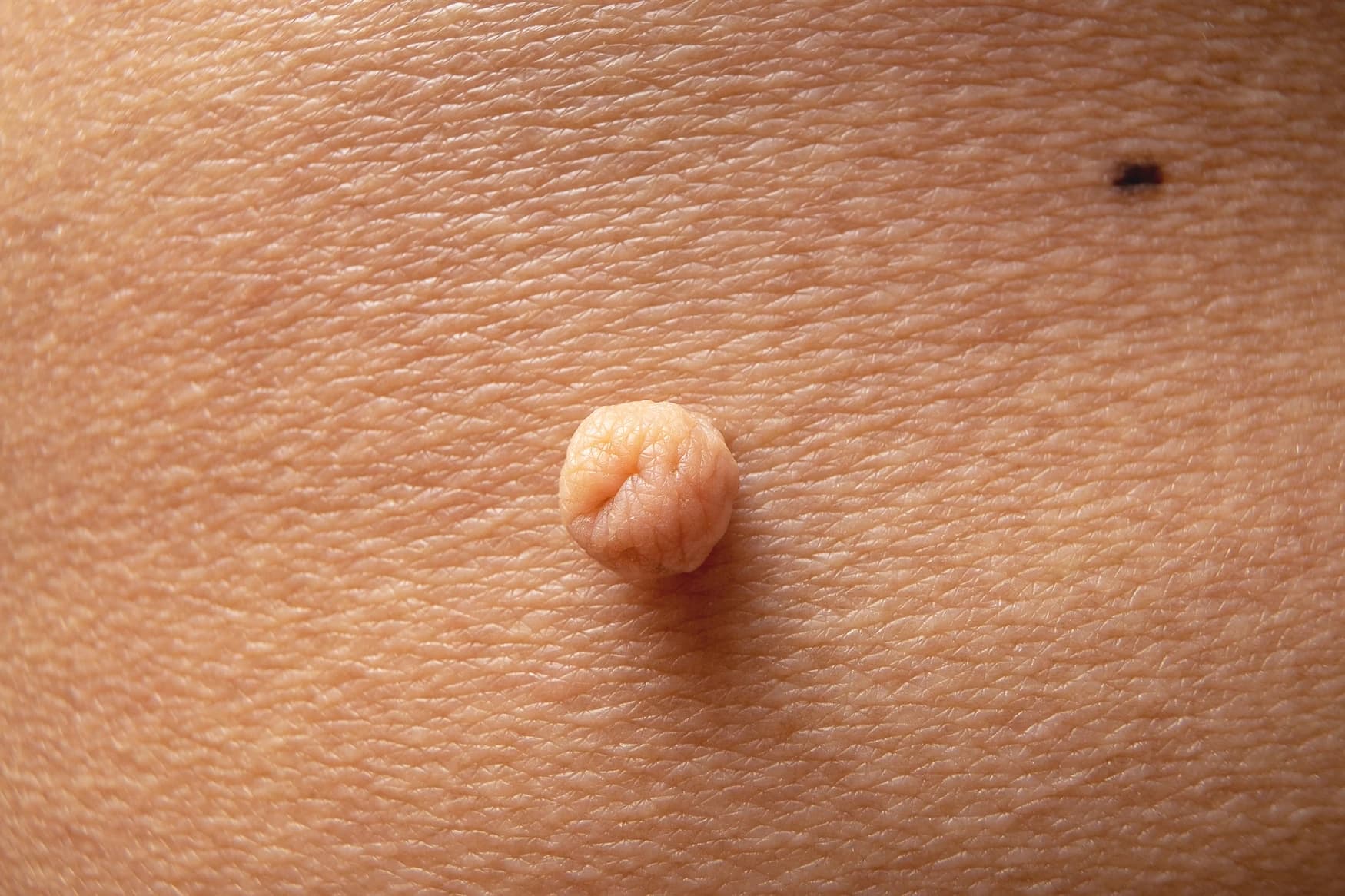
Cryotherapy for skin tags means freezing the tag with extreme cold so it dies and falls off. If you are in Milton Keynes and wondering whether it is right for you, here is what happens, step by step.
Does cryotherapy work for skin tags?
Freezing is a common way to remove skin tags, as long as the lesion is confirmed to be a harmless skin tag first.
A skin tag is a small, soft flap of skin, often on the neck, armpits or groin. It is harmless but can catch on clothes or jewellery.
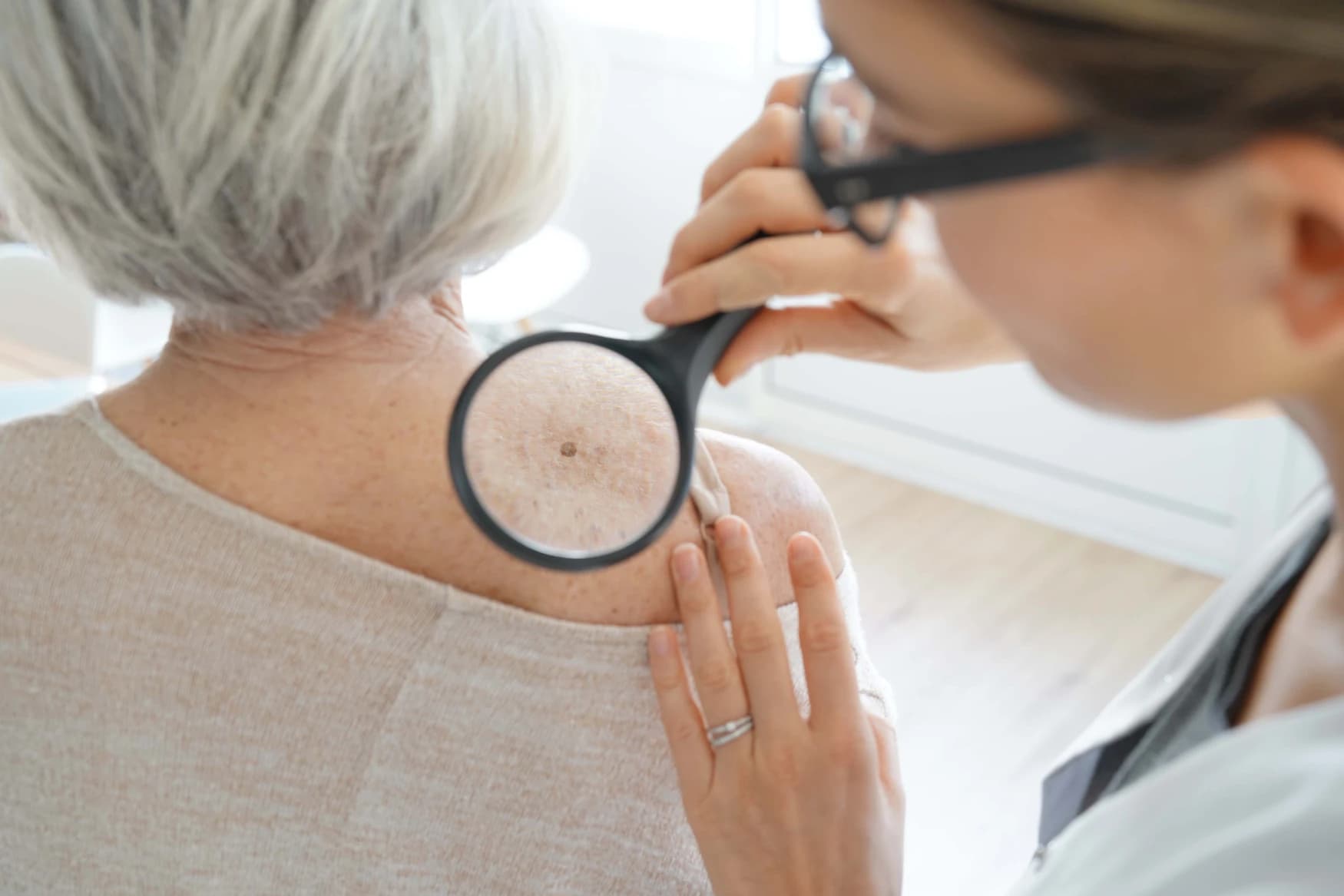
The pharmacist checks the lesion before any treatment. If it looks unusual, you are advised to see your GP instead.
What happens at the appointment?
Step 1: The check (before treatment)
The pharmacist reviews your skin concern and confirms the lesion is benign, meaning not cancerous. They also check that freezing suits you.
Booking at least one week ahead gives the pharmacist time to review your skin condition first. A clear photo or description of the area helps with this.
Step 2: The freezing
The clinician applies liquid nitrogen to the tag with a specialised applicator. The cold freezes the tissue, which then dies.
You may feel a brief sting or cold burning. Most people find it manageable.
Step 3: How long it takes
A session usually takes 10 to 15 minutes. The time depends on the size and number of tags.
What does healing look like?
The area may look red or slightly swollen for a few hours. A blister can form within 24 hours.
The tag usually shrinks, darkens and drops off within one to three weeks. Timing varies with the size and position of the tag.
To look after the area:
Keep it clean and dry
Let any blister settle by itself
Do not pick at the skin or pull the tag off
Wear loose clothing if the tag sits where fabric rubs
Who is cryotherapy not suitable for?
Some people need a different route or a chat first:
Anyone whose lesion looks unusual, or has changed in size, shape or colour
People with cold sensitivity or Raynaud's phenomenon, where fingers and toes turn white in the cold
People with very dark skin, who may need to discuss options first, as freezing can affect skin colour
Pregnant women, who are advised to wait until after delivery
Children and anyone with a long term condition should get personalised advice from the pharmacist before booking.
When should you see a GP instead?
See your GP if a lesion bleeds without being knocked, changes quickly, itches persistently or has uneven colour. A skin tag does not normally do any of these.
If you have several moles you are unsure about, mole mapping can record them over time. It does not replace a GP assessment for anything worrying.
Common questions
Will it hurt?
Most people feel a short sting while the tag is frozen. Some soreness can follow for a short time.
Do I need more than one session?
Many small tags clear after one treatment. Larger ones may need another, which the pharmacist will discuss with you.
Can I freeze a skin tag at home?
Home freezing kits exist, but they are not advised for skin tags near the eyes or on sensitive areas. Having the lesion checked first means you know what you are treating.
Will the skin tag come back?
The treated tag does not usually return. New ones can appear elsewhere, particularly in skin folds.
Can the NHS remove skin tags?
GPs generally do not remove skin tags on the NHS unless they cause problems, such as pain or repeated bleeding. Some people pay privately to have a tag removed sooner for comfort or appearance.
Is it safe to treat a tag near my eye?
Tags on eyelids need extra care. Speak to the pharmacist or your GP before booking.
Kenmakos Medical in Bletchley offers cryotherapy by appointment for patients across Milton Keynes, with same-week appointments and a suitability check before any treatment.